Chainsaw Guides on Upkeep, Technique and Safety
These are our practical chainsaw articles, written to answer one question each about upkeep, technique, safety and parts.
This index gathers the articles that sit beside our rankings. They do not recommend a saw to buy. They explain how a chainsaw works, how to look after it and how to use it safely, from sharpening and chain choice to storage and protective gear.
Scan the card titles below and pick the one that matches your question. Most titles are phrased the way people ask: how to sharpen a chain, which way the teeth go, what a part does. If you know the topic but not the exact wording, look for the key term, such as chain, bar, storage or sharpening.
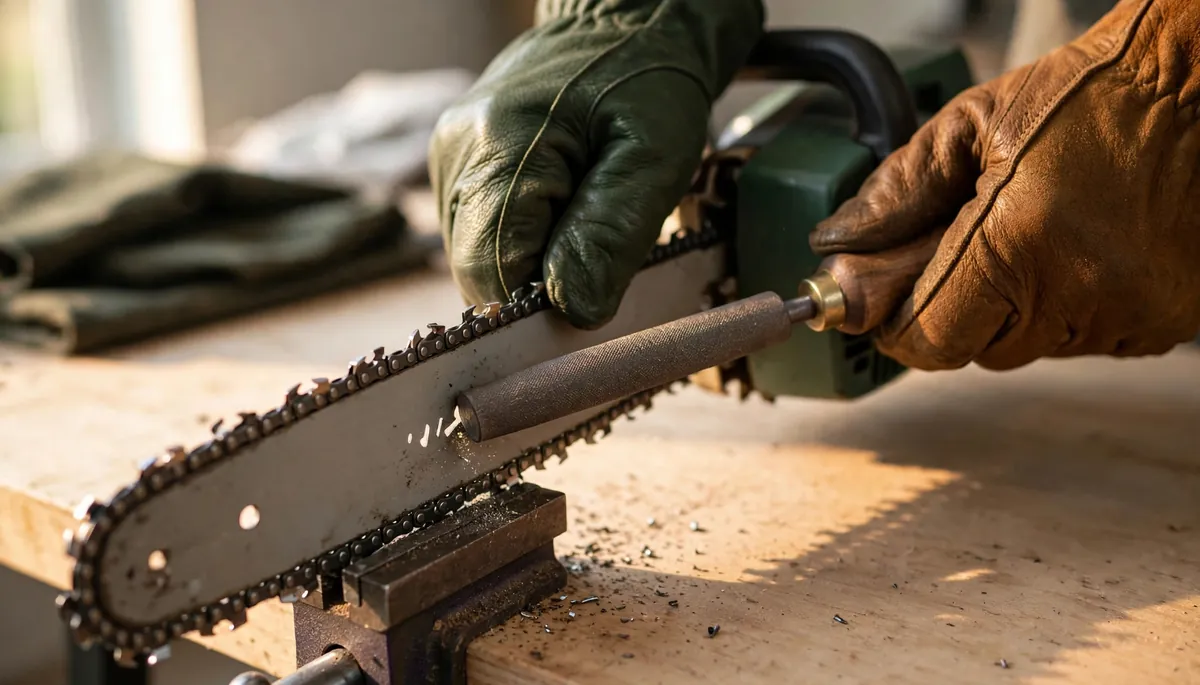
How to Sharpen a Chainsaw
How to sharpen a chainsaw by hand: match the round file to your chain pitch, file every other cutter at 30 degrees, then set the depth gauges.
Read more →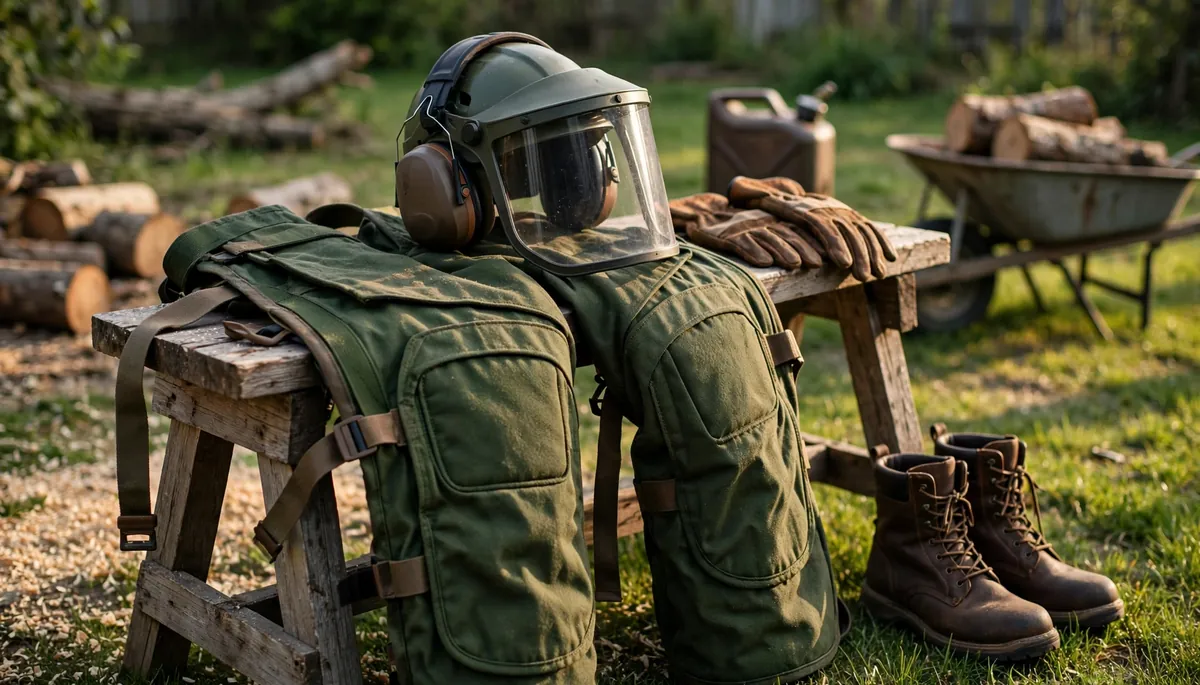
Chainsaw PPE: The Protective Gear Every Operator Needs
Chainsaw PPE means six items: chaps, a helmet system, eye and face protection, hearing protection, gloves and boots. Chaps come first, every time.
Read more →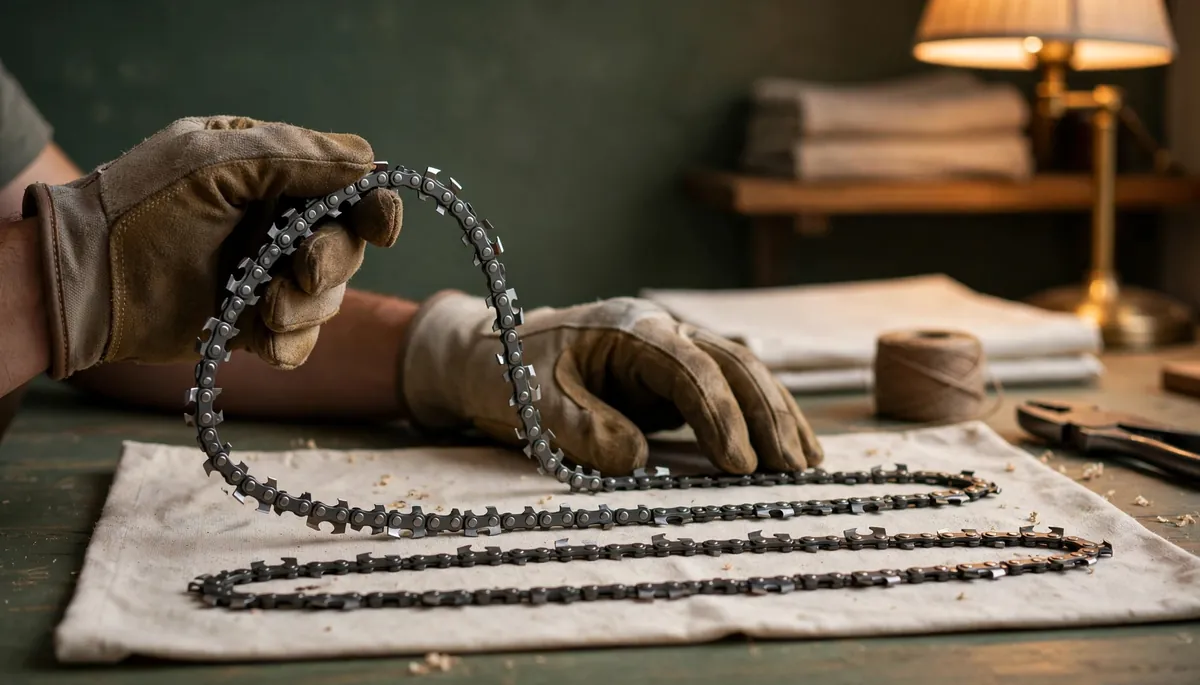
Chainsaw Chain Types: Which One Do You Need?
Chainsaw chain types explained: cutter profile, sequence, size and material. Learn which chain fits your saw, your job and your bar stamp, in plain US terms.
Read more →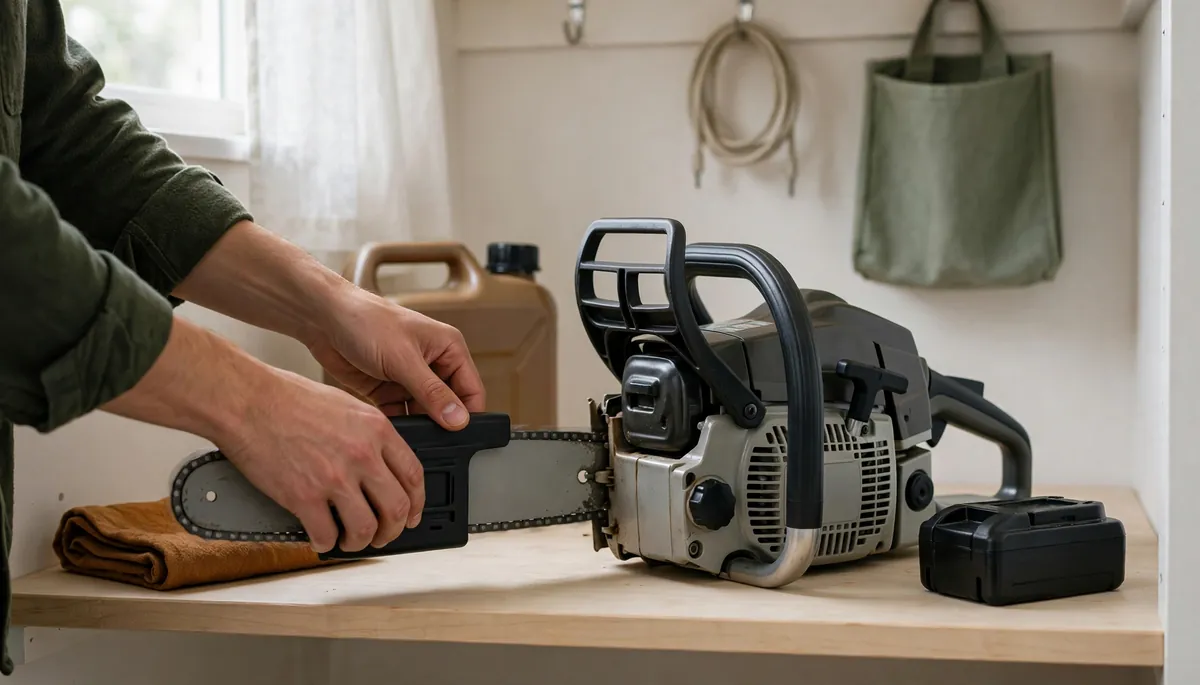
Chainsaw Storage: How to Store Your Saw the Right Way
How to store a chainsaw so it starts next season: drain or stabilize the fuel, stop the bar oil leak, cover the bar, keep it dry and off the floor, battery out.
Read more →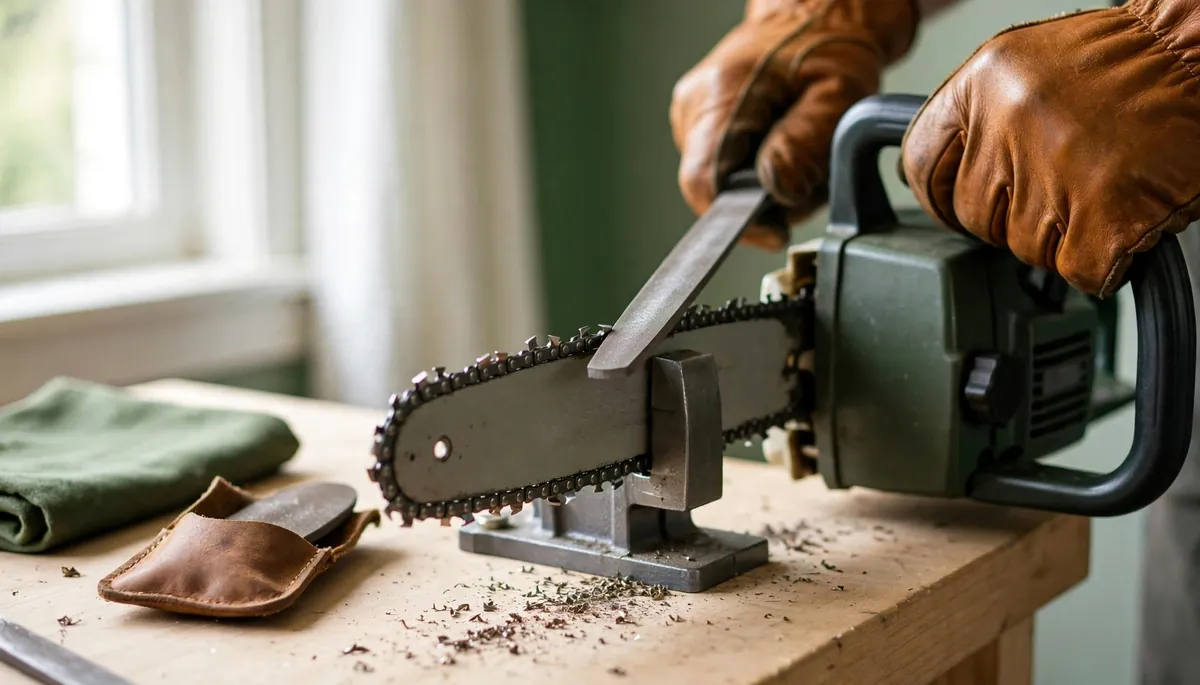
Chainsaw Sharpening Angles Explained
Most chainsaw chains file at 25 or 30 degrees at the top plate. Learn the four sharpening angles, which ones you set, and how to find your chain's spec.
Read more →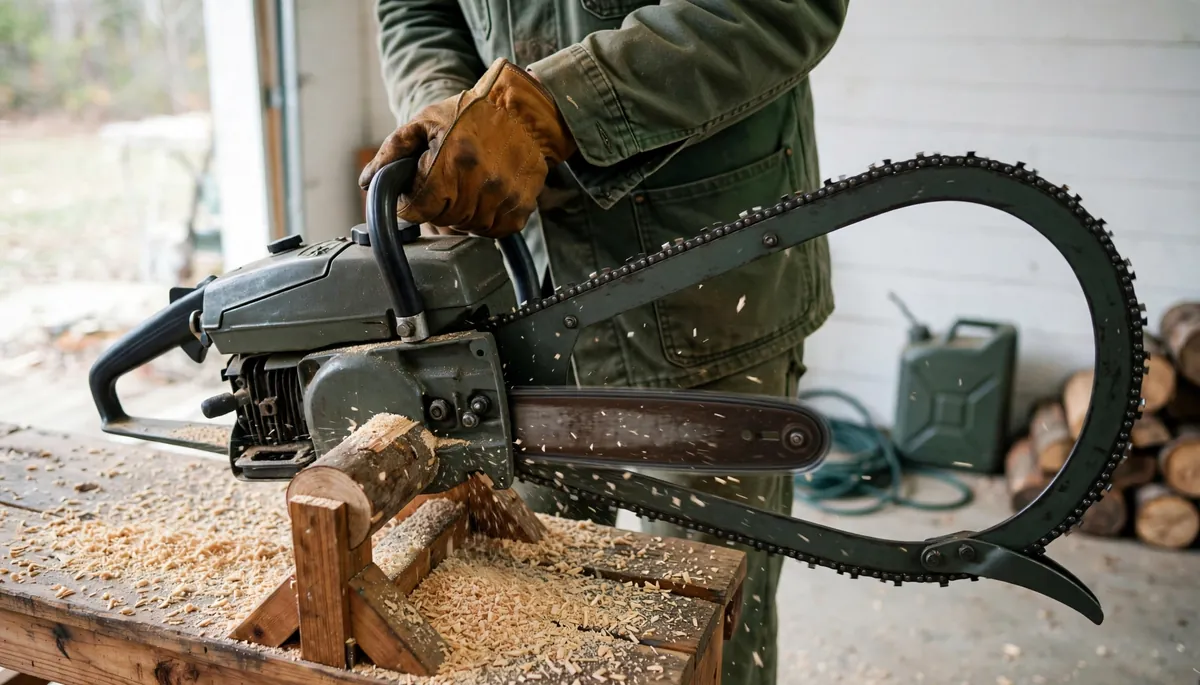
What Is a Bow Bar Chainsaw?
A bow bar chainsaw is a chainsaw with a curved, loop-shaped guide bar for bucking small logs. It is obsolete, dangerous and no longer made. Here is why.
Read more →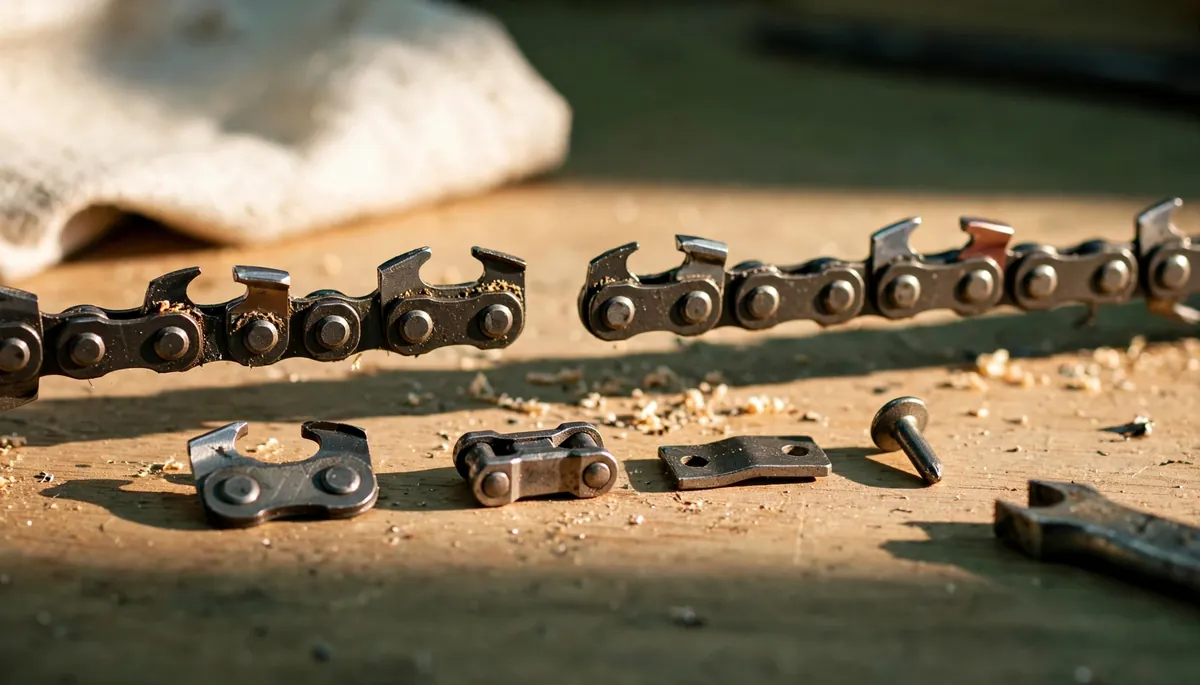
Chainsaw Chain Components Explained
A saw chain is four riveted steel parts: cutter, drive link, tie strap and rivet, plus the depth gauge on each tooth. What each one does and what it tells you.
Read more →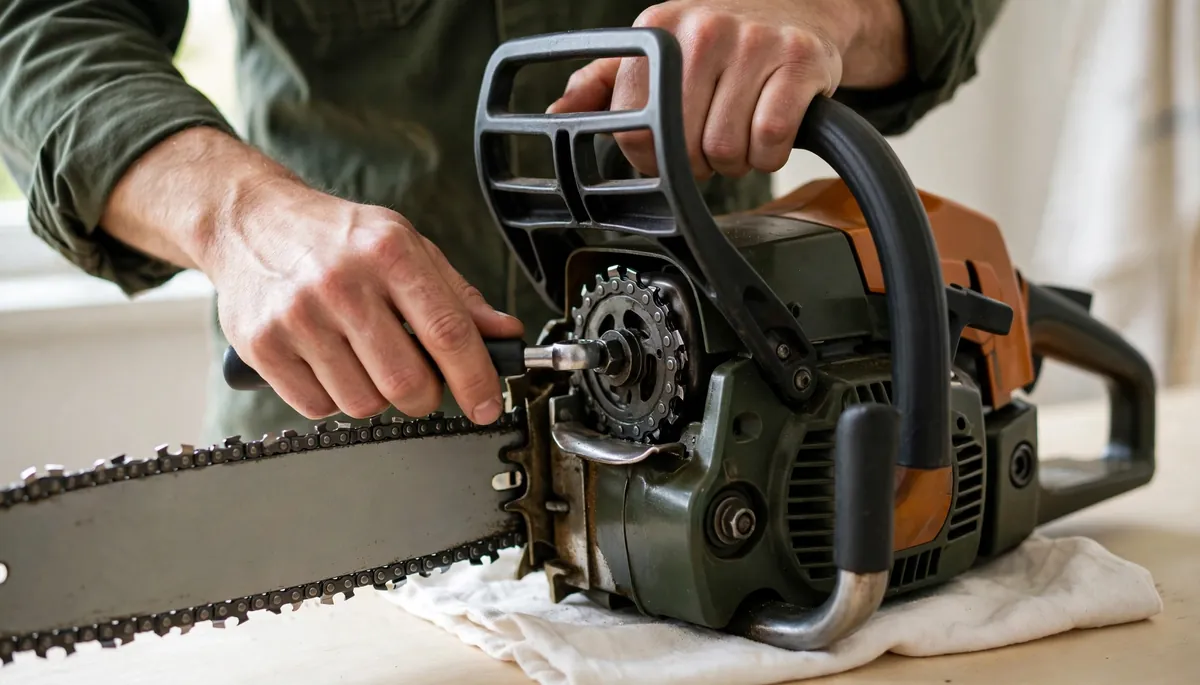
Parts of a Chainsaw and What Each One Does
Every part of a chainsaw named and explained: guide bar, saw chain, sprocket, clutch, chain brake, chain catcher, plus what wears out first and how to check it.
Read more →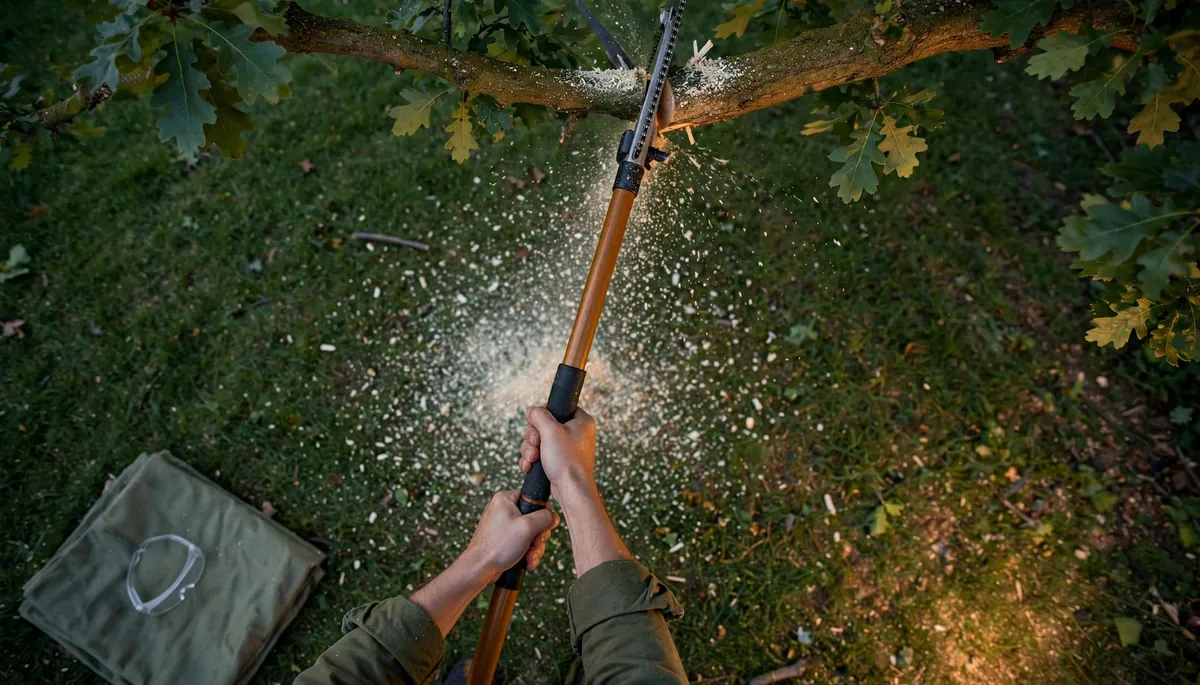
How to Use a Pole Saw
How to use a pole saw safely: two-handed grip, pole under 60 degrees, the three-cut method, chain checks, kickback fixes, and when to call a pro.
Read more →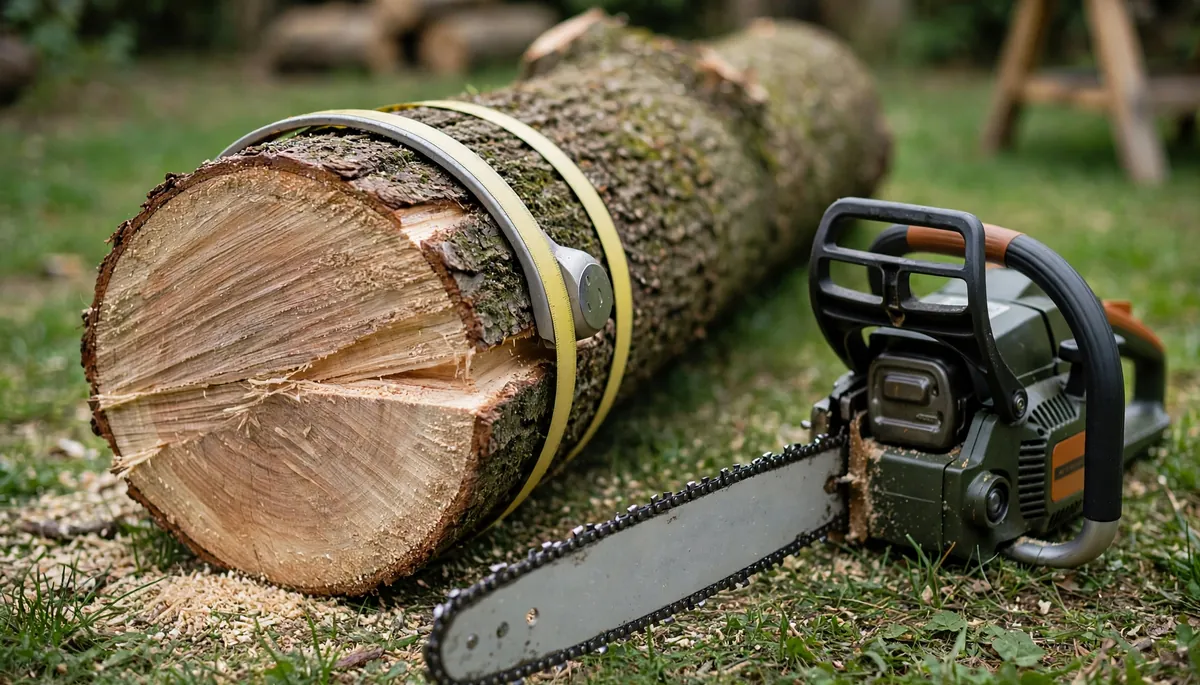
What Size Chainsaw Do You Need?
What size chainsaw to buy: most homeowners need a 16-inch bar on a 40-45 cc gas or 56-60 V battery saw. Measure your wood, add two inches, then pick the power.
Read more →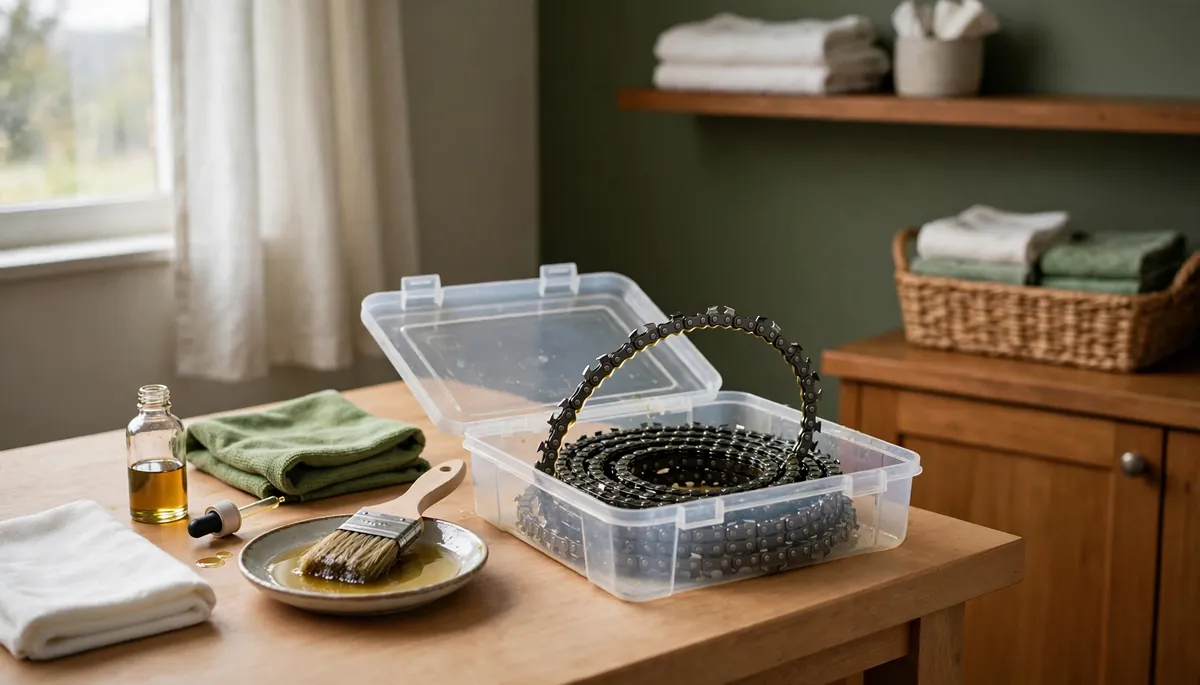
How to Store a Chainsaw Chain
How to store a chainsaw chain so it stays sharp and rust-free: clean it, dry it completely, oil it lightly, coil it, label it and seal it in its own container.
Read more →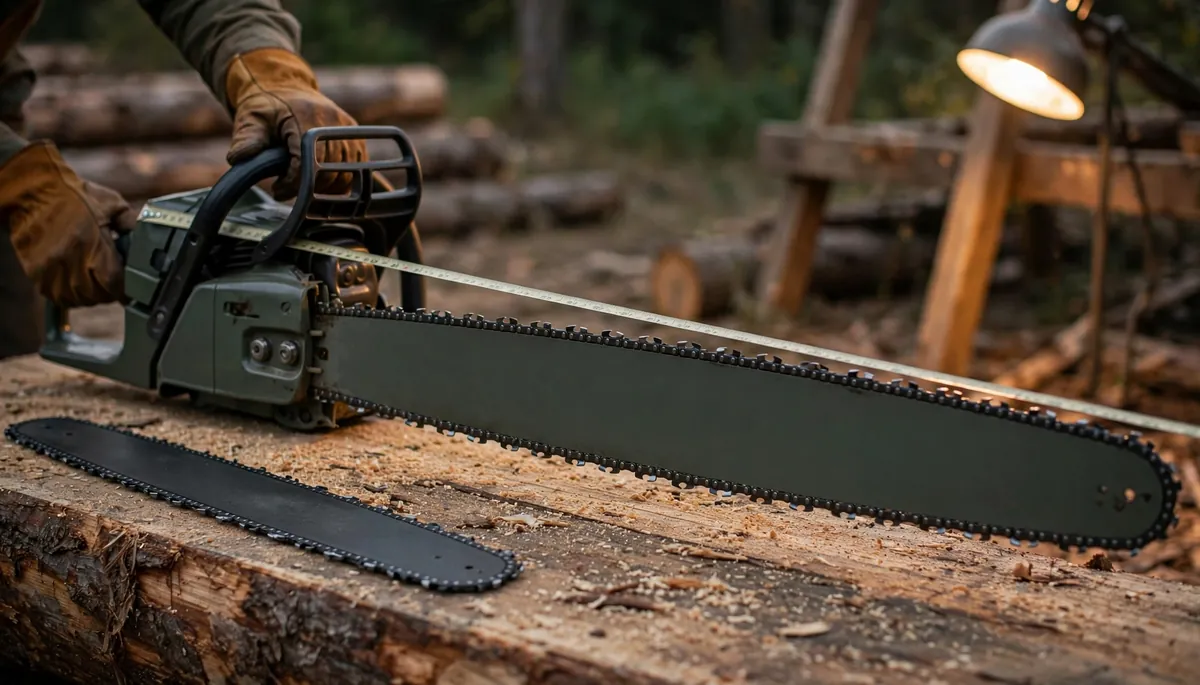
What Is the Longest Chainsaw Bar You Can Buy?
The longest chainsaw bar sold for one saw is 59 inches, and 144 inches is the longest bar that exists. Here is what your own saw can actually pull, and why.
Read more →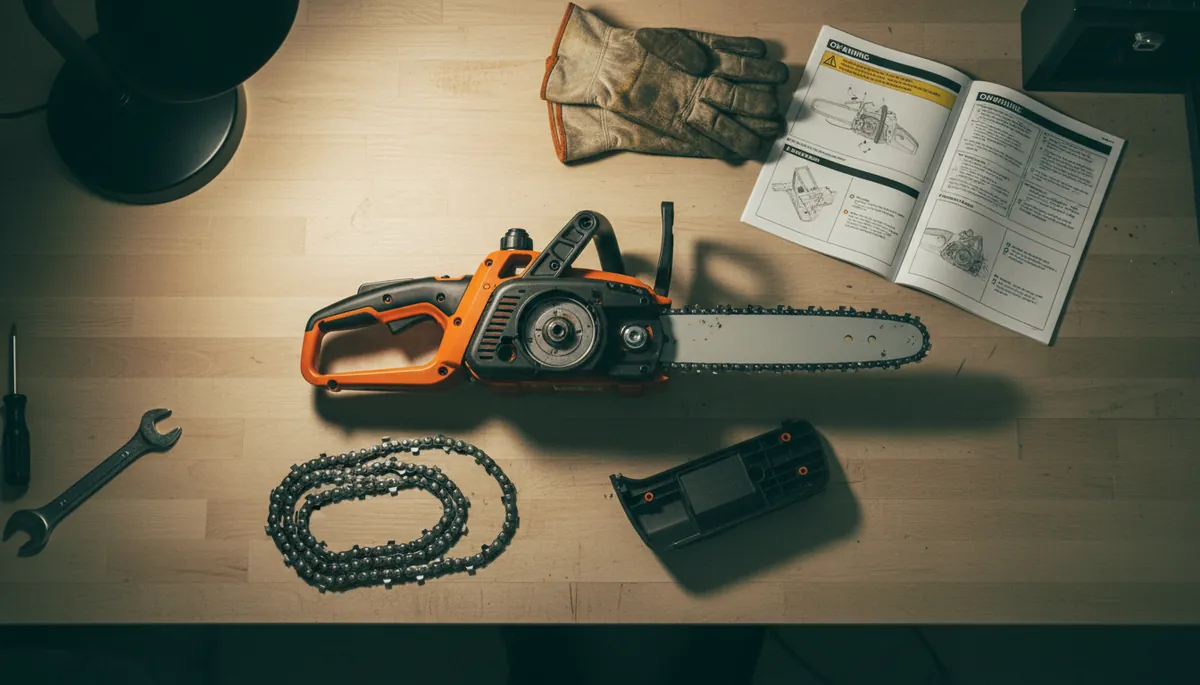
Can You Run a Chainsaw Without a Chain?
A chainsaw with the chain off is not harmless. What the owner's manuals say about the clutch, no-load over-revving, and the only safe way to run one briefly.
Read more →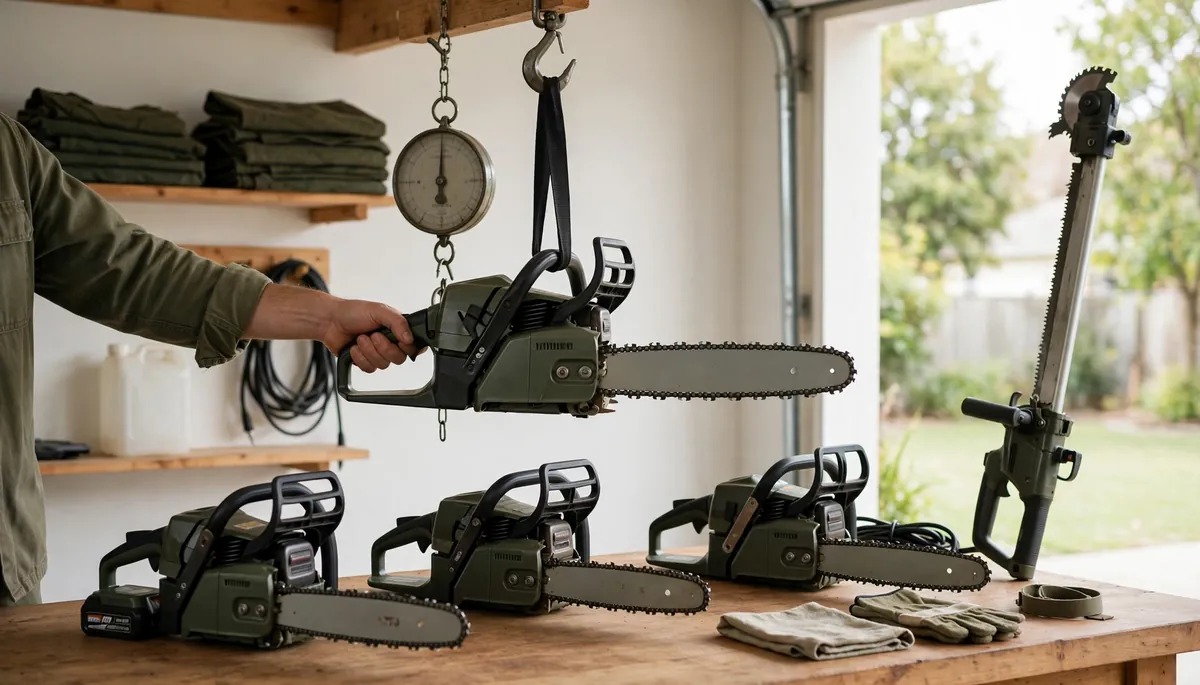
How Much Does a Chainsaw Weigh?
Most chainsaws weigh 6 to 13 lb. See the real weight of gas, battery, corded, top-handle and pole saws, and why the number on the box is not what you carry.
Read more →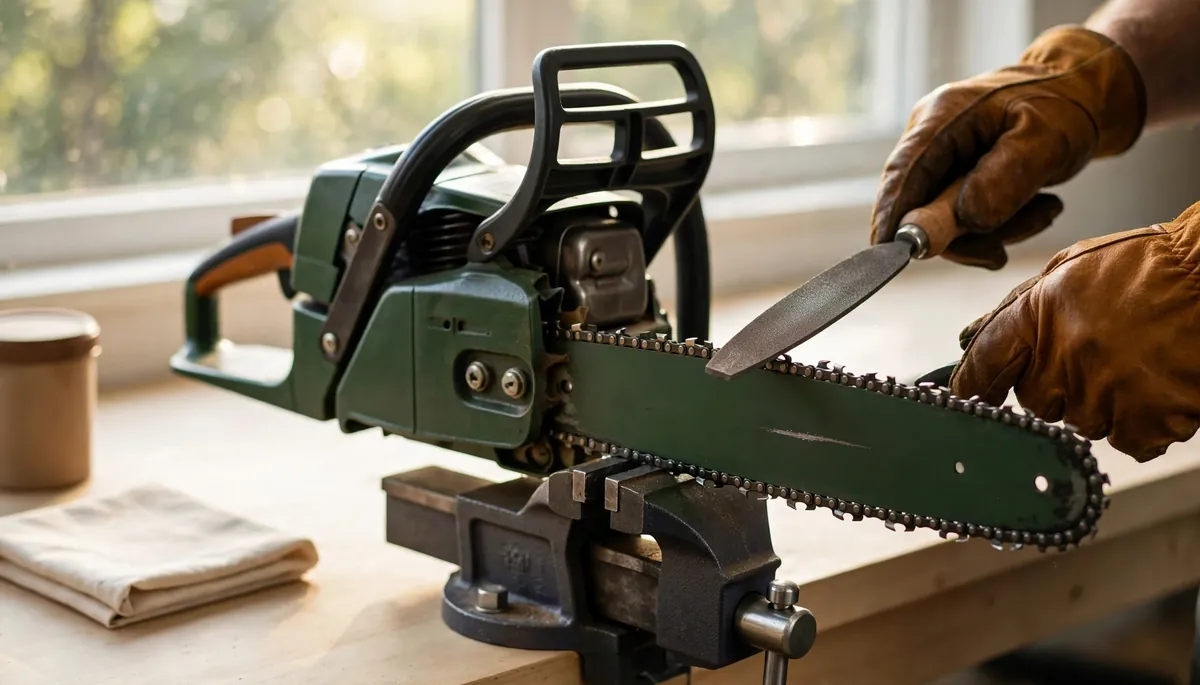
How Many Times Can You Sharpen a Chainsaw Chain?
A homeowner chain takes about 5 to 10 full sharpenings, or 15 to 20 light touch-ups. The witness mark on each cutter, not a count, tells you when to stop.
Read more →Start with the problem you have
Most chainsaw questions fall into one of four groups: the saw is cutting badly, you are unsure how to handle it, you need to store it, or you cannot name a part. A saw that pulls to one side, cuts slowly or produces fine dust instead of chips is usually a chain issue, so the sharpening and chain articles are the place to begin.
If the saw cuts well but you are unsure about your setup, the articles on parts, bar length and chain components explain what each piece does and what it has to match. Understanding the vocabulary first makes every other article easier to follow.
Upkeep decisions that save money
A chain is a wear item, and how you treat it decides how long it lasts. Sharpening at the right angle, with a consistent file stroke, removes less metal and keeps the cutters usable for more sessions. Knowing when a chain is worn out, rather than just dull, spares you from filing a chain that cannot be saved.
Storage matters just as much. A chain left damp or loose in a shed rusts, and a saw put away with old fuel in it can be hard to start the next season. The storage articles cover both the saw and the spare chains.
Safety comes before technique
Before you read about grip, stance or cutting methods, check that your protective gear is complete. The gear article lists what an operator needs from head to boot and why each item is there. Technique is easier to learn when you are properly equipped and not worrying about a missing piece.
Chain direction and correct assembly are also safety topics, not only performance ones. A chain fitted backward cuts poorly and can lead to unsafe handling, so it is worth confirming before you start the engine.